

The Bible Directory · Ancient Religious Worlds
Anat: Warrior, Ally and the Ugaritic Texts
Meet Anat
Fierce in battle and formidable in loyalty, Anat is one of the driving forces of Ugarit’s divine stories. Her actions in the Baal Cycle bring violence, allegiance and the defense of divine power into sharp focus.
Who was Anat?
A goddess known especially through Ugaritic narratives, with worship also documented in other settings. She is not simply another name for Asherah or Astarte.
What was she known for?
Combat and forceful divine action are prominent in her stories. Her role is broader than one exclusive department of nature.
Why was she worshiped?
Cult records and Egyptian royal associations point to honoring a powerful divine supporter. The surviving material does not supply one motive shared by everyone.
How did people relate to her?
Her stories can depict both dangerous anger and determined help for Baal. These literary portraits do not let us measure every worshipper’s emotions.
What did worship involve?
Cultic lists, ritual references and dedicatory material document worship. They should be distinguished from the actions described in myth.
What survives from the ancient world?
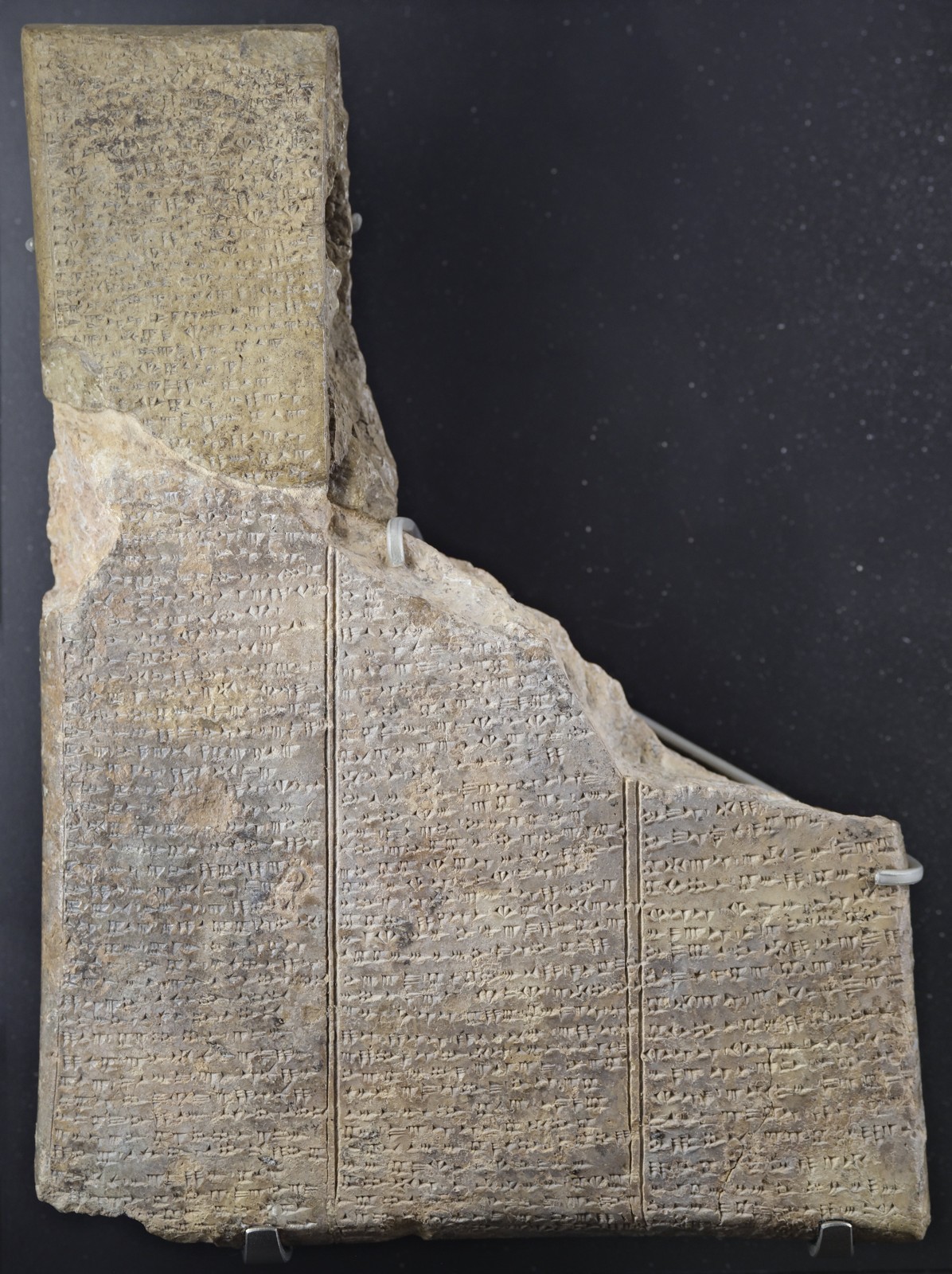
Ugaritic tablets, earlier cultic records, personal names and Egyptian texts and images. The tablet below is a literary source, not an invented portrait.
Explore the sources
Explore the objects, writings and questions below.

Read Anat in her own literary setting
Anat is an active figure in the Baal Cycle, especially the palace negotiations in KTU 1.3–1.4 and the episodes surrounding Baal and Mot in KTU 1.5–1.6. She is also a major character in the story of Aqhat, KTU 1.17–1.19. These references identify ancient texts, not modern chapter numbers in the Bible.
The stories portray both fierce power and loyalty. Read a complete episode before deciding that a single action tells us everything about the goddess. The English translations in Ugaritic Narrative Poetry, linked below, are available through libraries or purchase; this page does not reproduce them.
A real tablet to inspect
The image above shows Louvre AO 16636, from Ras Shamra’s acropolis. The Louvre identifies it as a fragmentary Ugaritic tablet belonging to the Baal Cycle, dates it approximately to 1400–1200 BCE, and cites KTU 1.6 in its bibliography.
This is a surviving document from the literary corpus in which Anat acts, not a portrait of her. Its breaks and missing portions are part of the source. The catalogue’s museum number and the edition’s text number identify the object in different systems; record both when you follow up a passage.
Open the Louvre record to compare the material, dimensions, find location and bibliography. A museum photograph lets us inspect the writing surface; it does not replace a reading of the ancient language.
Worship beyond the stories
Jeffery Brian Lloyd’s University of Edinburgh dissertation traces Anat through cultic lists from Mari, divine elements in personal names, New Kingdom Egyptian material and Ugaritic literature. Those sources document different aspects of her worship and reception.
The Egyptian material includes a relationship with nineteenth-dynasty kings, especially Ramesses II. That is a different historical setting from Ugarit’s archive. A royal claim about divine support does not tell us what every soldier or household believed.
For a beginner, a useful distinction is between a story about a goddess, an offering record naming a recipient, and an image with a naming inscription. They can inform one another, but they do not all answer the same question.
Can we recognize her in an image?
Lloyd evaluates the uncertain identification of anonymous images by comparing them with Egyptian representations that preserve divine names. Cornelius likewise explains why a crown or weapon alone can fail to distinguish Anat from Astarte.
We therefore show a securely catalogued tablet here. A future portrait should come with the object number, place, date, naming inscription where present, and a clear account of the identification. Similarity to a familiar picture is not enough.
Connections with the Bible
Judges 3:31 calls Shamgar “the son of Anath.” Scholars discuss whether this expression is a personal designation or a military title. Place names also preserve forms of Anat’s name. Such occurrences are clues to investigate; they are not a narrative account of an Israelite ritual to Anat.
Do not quietly substitute Anat for every unnamed goddess or for Jeremiah’s “queen of heaven.” An identification needs an argument tied to the particular text.
Try it yourself
Compare a passage from KTU 1.6 with the museum photograph of the tablet. List the characters, what remains readable in translation, and where there are gaps. Then read Judges 3:31 in its own setting. What does that biblical verse actually say, and what would require another source?
Research Paths
Izak Cornelius · Anat, WiBiLex
German scholarly overview · literary roles, cult references, biblical names and problems of image identification.
Jeffery Brian Lloyd · University of Edinburgh dissertation
Open institutional record and downloadable dissertation, 1994 · extensive textual and image comparisons; an older study to read alongside later scholarship.
Louvre · Baal Cycle tablet AO 16636
Museum record · real Ugaritic document, approximate date and find context; bibliography identifies KTU 1.6.
Simon B. Parker, editor · Ugaritic Narrative Poetry
SBL translation edition · Baal Cycle and Aqhat; English, library or purchase access, not free full text.
Read the related chapters
Keep exploring
Temples, ritual and sacred objects →