
Why Ancient Temples Mattered
Explore why temples were built, what happened there, whom communities approached, how festivals transformed sacred space, and why no single temple model fits the ancient world.
A temple was a deity’s house, a ritual workplace, and a public institution.
Ancient temples were built to sustain relationships between deities, rulers, cities, households, and land. They were not all used in the same way, but their activities could include offerings, prayer, vows, purification, festivals, processions, music, divination, storage, administration, craft production, and royal display.
A temple was commonly understood as a deity’s house or earthly residence. Priests maintained the sacred center through purification, offerings, incense, clothing, music, and other acts appropriate to that local tradition.
People sought health, children, rain, harvest, safe travel, protection, victory, justice, forgiveness, or help in crisis. They also returned thanks and fulfilled vows with offerings or dedicated objects.
Festival days changed the temple’s rhythm. Crowds, pilgrims, music, processions, extra sacrifices, public meals, royal appearances, and the movement of a divine image or sacred object could connect restricted space with the wider city.
Rulers built, repaired, endowed, and publicized temples. A sanctuary could express political legitimacy, civic identity, imperial loyalty, or the restoration of a community after conquest.
Large complexes employed priests, scribes, singers, guards, artisans, cooks, farmers, and administrators. Some held land, workshops, storerooms, treasuries, archives, and systems for receiving and distributing goods.
Dedications, laments, annual observances, rebuilding, and pilgrimage connected families and cities to remembered events. Destruction or desecration of a temple could therefore be a religious, social, and political catastrophe.
Prayer addressed the pressures of embodied and communal life
People also prayed at home, at gates, beside altars, on journeys, and in moments of crisis. A temple organized access to divine presence; it did not contain every act of prayer.
Illness, childbirth, fertility, disability, and recovery appear in prayers, vows, votive gifts, incubation practices, and healing sanctuaries—though practices differed sharply by culture.
Agricultural communities asked for seasonal rain, fertile land, healthy herds, and protection from famine, pests, and storm.
Petitioners could seek a favorable judgment, an oracle, divination, dream guidance, or the reversal of wrongdoing. Not every temple offered every form of consultation.
Kings and communities sought protection, victory, relief from siege or plague, and restoration after defeat. Royal inscriptions may present these appeals as political theology.
A gift could commemorate rescue, birth, healing, success, or a promise fulfilled. Votive objects often preserve the donor’s name or the reason for dedication.
Rituals addressed impurity, offense, disrupted order, and the renewal of sanctuary or community. The vocabulary and logic of purification were not uniform across cultures.
Greater restriction often marked greater perceived holiness
The comparison below is an orientation, not a universal floor plan. Inward movement could signal increasing proximity to a deity’s presence, cult image, throne, ark, or other principal sacred focus.
Daily service and festival time were not the same experience
Specialists opened or guarded spaces, purified themselves and equipment, tended lamps or incense, presented regular offerings, maintained images or furnishings where present, received goods, kept records, and closed or secured rooms.
Larger crowds, music, processions, public sacrifices, meals, royal participation, extra gifts, and altered access could animate the whole precinct. In some cultures a divine image or sacred vehicle emerged from the inner sanctuary; biblical festivals organize pilgrimage and communal offerings without a divine statue.
Compare institutions without turning them into one temple

Karnak · Edfu · Dendur
The temple was a divine estate. Daily service cared for the cult image in restricted rooms; festivals could carry a divine image or sacred barque into courts, processional roads, or the community. Monumental reliefs show an ideal ritual world shaped by priestly and royal presentation.
Explore the museum or research source ↗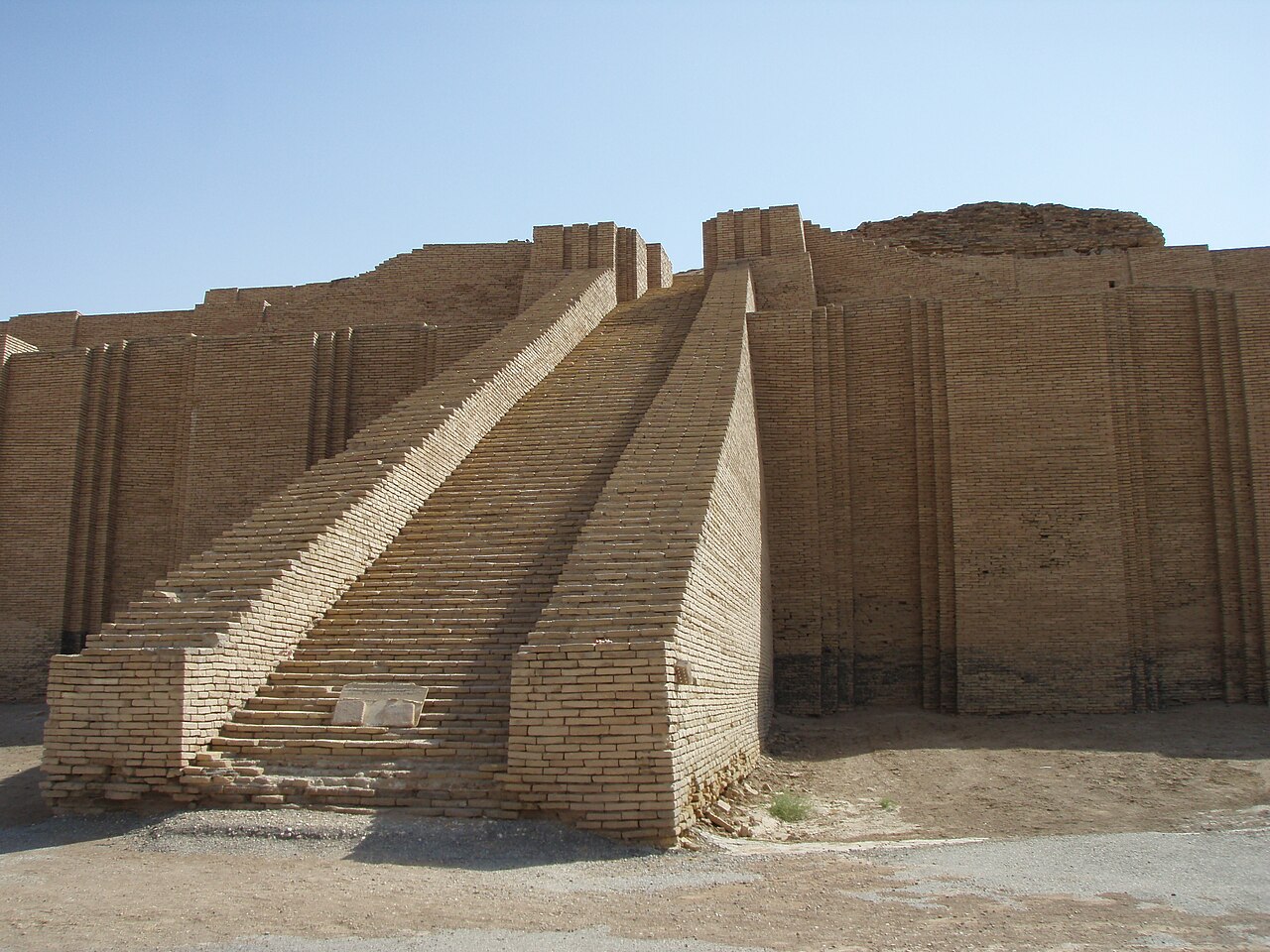
Ur · Nippur · Babylon
Temples maintained a god’s household through food, clothing, music, purification, and personnel. Major institutions could manage fields, workshops, herds, storage, and archives. A ziggurat was one component of some precincts, not the temple as a whole.
Explore the museum or research source ↗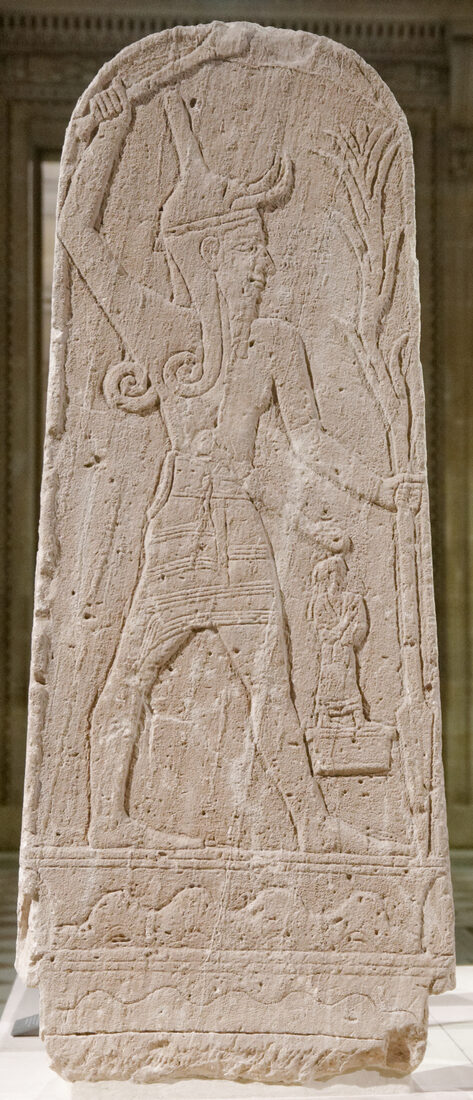
Ugarit · Hazor · Shiloh · Arad · Dan · Jerusalem
Sanctuaries ranged from local shrines to royal temples. Plans, altars, standing stones, images, vessels, inscriptions, and textual inventories vary by site and century. Jerusalem must not be used as a universal blueprint for every Israelite or neighboring sanctuary.
Explore the museum or research source ↗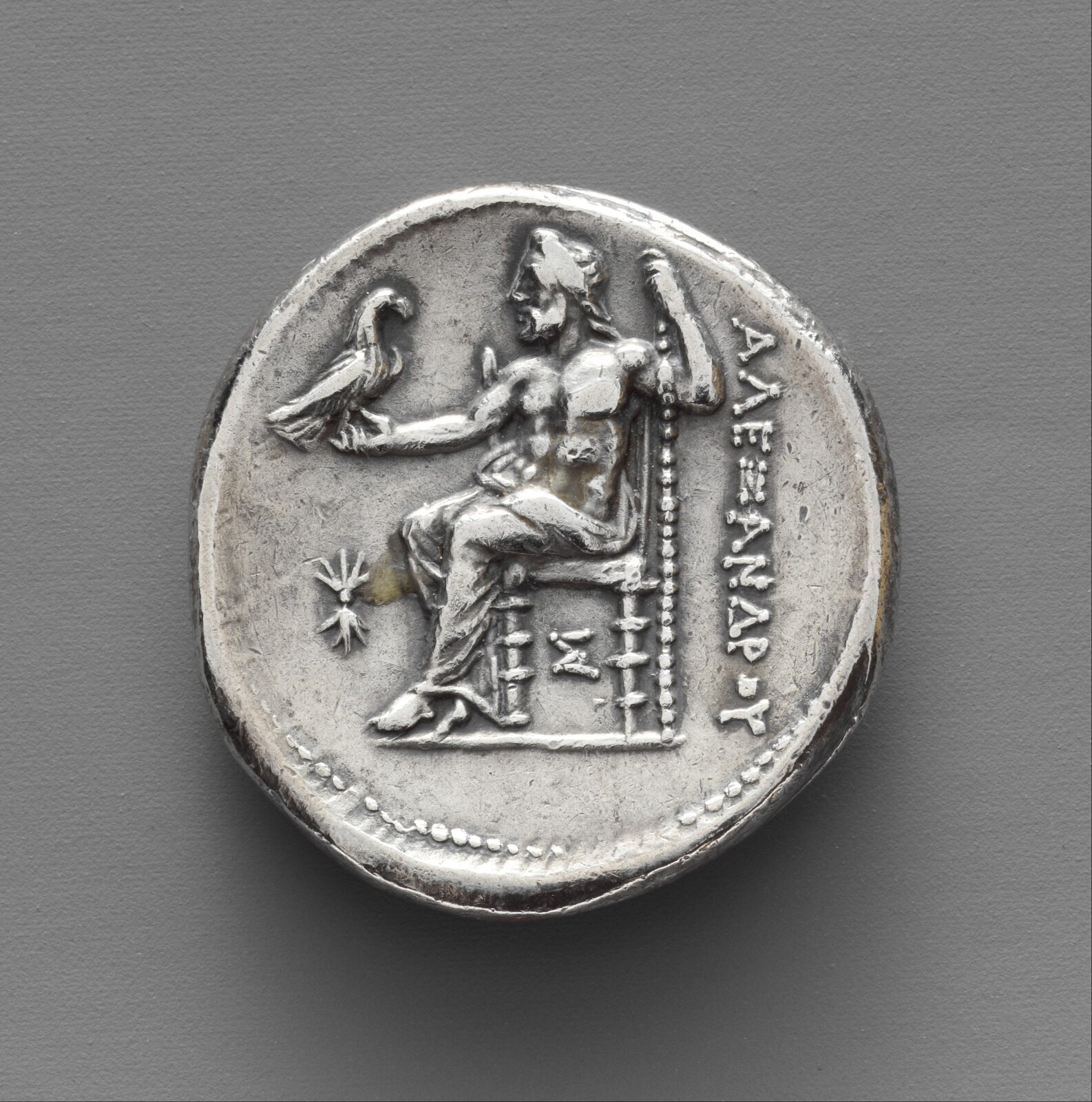
Athens · Delphi · Ephesus · local sanctuaries
A temple commonly housed a cult image, while sacrifice normally occurred at an outdoor altar. Processions, athletic or dramatic festivals, votive gifts, treasuries, dining, healing, and oracles could belong to the larger sanctuary. It was not primarily a congregational hall.
Explore the museum or research source ↗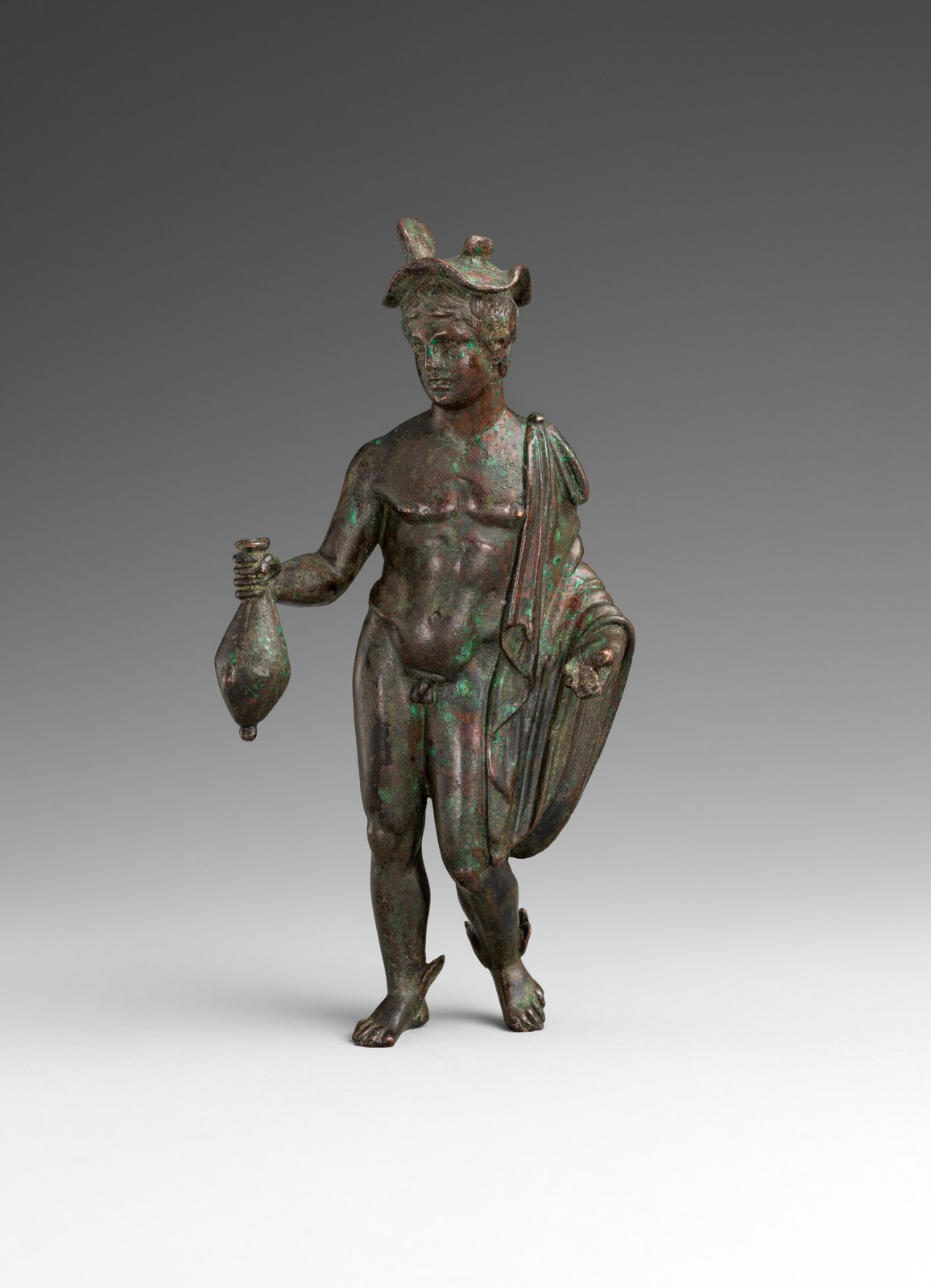
Rome · provincial cities · imperial sanctuaries
Roman worship included household, civic, military, mystery, and imperial settings. Temples and outdoor altars linked sacrifice, vows, festivals, public office, benefaction, and civic identity. Local traditions continued under Roman rule rather than becoming one uniform religion.
Explore the museum or research source ↗Questions that clarify how ancient temples worked
Was an ancient temple like a church?
Usually not. Much ritual occurred at outdoor altars, gates, courts, or processional routes. Inner rooms were often workspaces for specialists rather than halls where a congregation gathered.
Why did access narrow toward the center?
In many traditions, moving inward meant approaching increasingly sacred space associated with a deity’s presence, cult image, throne, or principal sacred object. Greater holiness brought stricter rules about office, purity, clothing, and permitted time of entry.
Did every temple contain a statue of a god?
No. Cult images were central in many Egyptian, Mesopotamian, Greek, and Roman temples. Biblical descriptions of Jerusalem instead associate the inner sanctuary with the ark, cherubim, divine name or glory, and divine presence; they do not prescribe an anthropomorphic statue of Israel’s God.
Could ordinary people enter?
Often they could approach the precinct, altar, courts, gates, or festival route but not every interior room. Access varied by sanctuary, sex, status, ritual condition, priestly office, and occasion.
Did the ark, menorah, and bread table belong to every temple?
No. Biblical sanctuary descriptions associate these objects with particular settings. Exodus describes a seven-lamp lampstand, while Kings describes ten lampstands in Solomon’s temple. Traditions about the ark’s fate are distinct from identifying an ark among the Second Temple’s furnishings. Other sanctuaries had their own installations.
What survives from Jerusalem’s temples?
No excavated object can be securely identified as the ark or a furnishing of Solomon’s temple. Later texts, archaeology around the Temple Mount, coins, inscriptions, architectural fragments, and the Arch of Titus illuminate parts of the First and Second Temple histories without supplying a complete inventory.
Were temples also banks?
Some large temples stored valuables, received land and goods, made payments, and kept records, but “bank” can be misleading if it imports a modern institution. Economic roles differed by city and period.
Why were temples destroyed and rebuilt?
Conquest, revolt, religious reform, dynastic display, fire, abandonment, and political change could damage or replace sanctuaries. Rebuilding could proclaim royal power, communal restoration, or renewed divine favor.