
Daily Life and Material Culture
Explore the physical settings of households, agriculture, crafts, trade, health, travel, and burial.
A house was a workplace, storeroom, shelter, and social space.
Housing changed with climate, available materials, urban density, wealth, occupation, and period. Mudbrick usually survives poorly above its stone foundations, while roofs, doors, textiles, baskets, and wooden furniture often disappear. Plans and models therefore illuminate only part of a lived home.
Three visual windows—with three different limitations
An ancient funerary model, excavated foundations, and a modern museum reconstruction are not the same kind of source. Their captions identify what each can and cannot show.
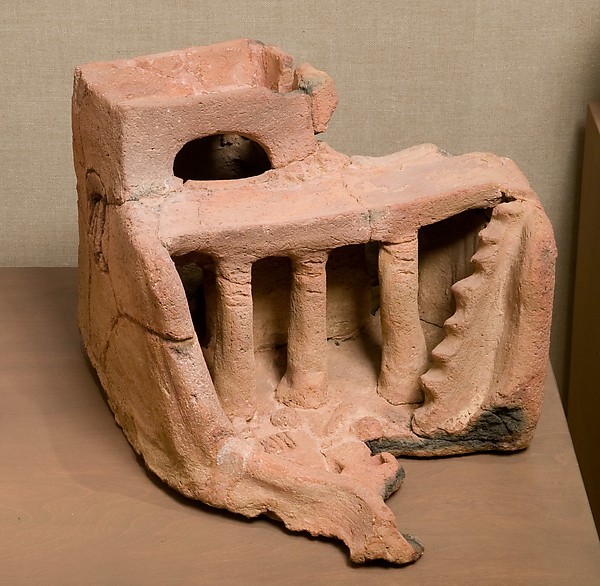
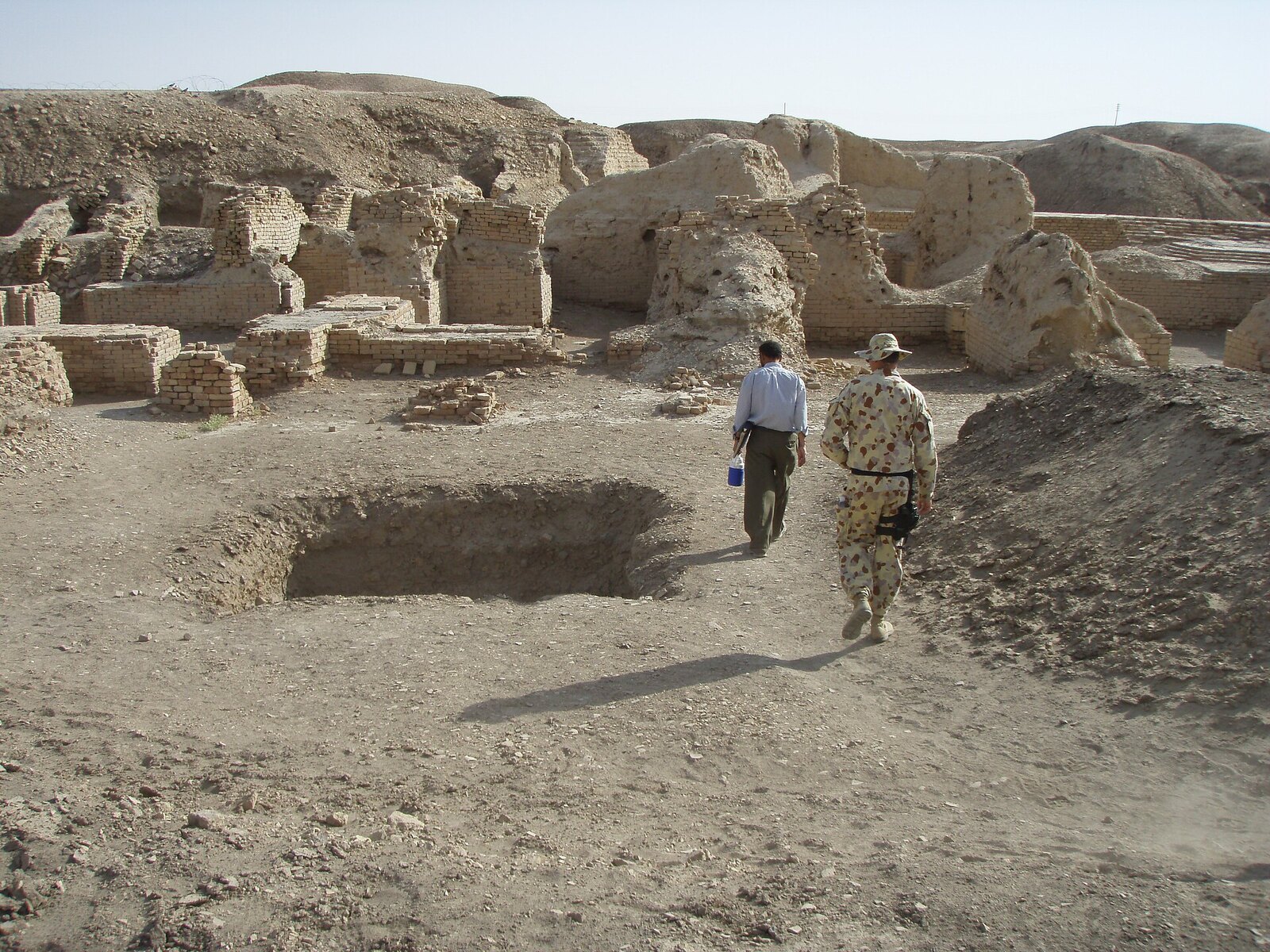
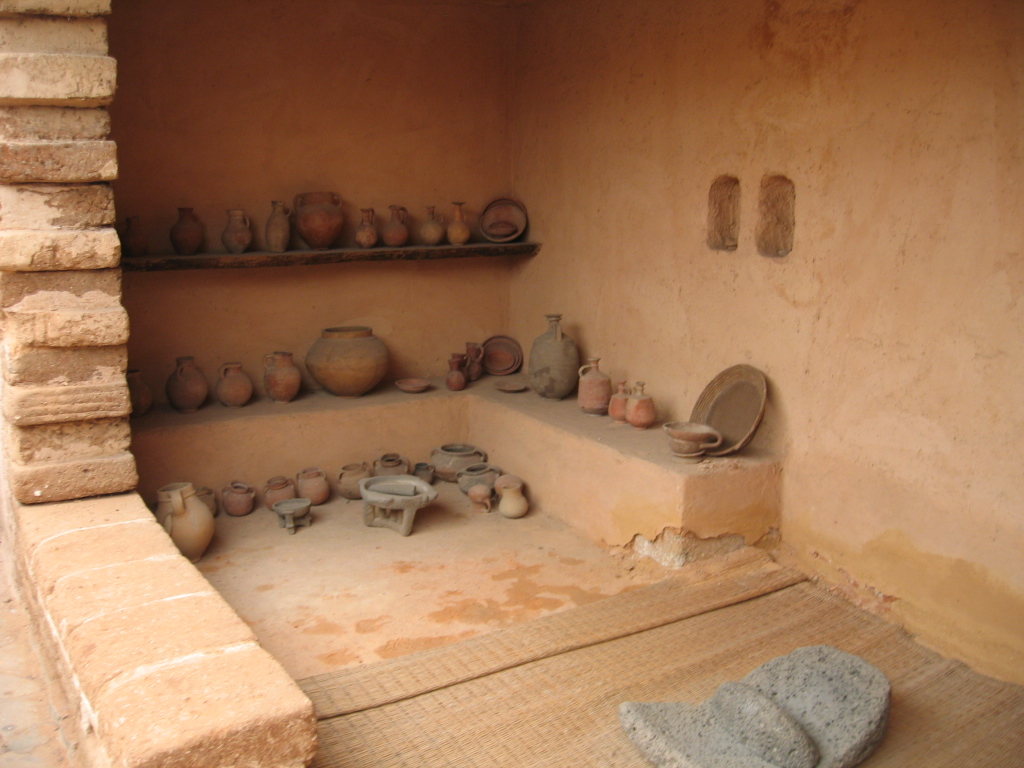
“An ancient house” was never one universal design
Mudbrick houses ranged from modest rooms to larger courtyard compounds. Roofs could provide work or sleeping space; settlement plans at places such as Deir el-Medina show densely arranged homes within a planned community.
Mudbrick · courtyards · roofs · storage · ovensAt Ur and other cities, houses commonly turned inward around courtyards while sharing walls with neighboring buildings. Streets could be narrow and winding; thresholds separated public lanes from household space.
Courtyard rooms · shared walls · lanes · drains · archivesIron Age pillared houses often combined people, storage, craft work, and animals within one household compound. The label “four-room house” describes a recurring plan, not a guarantee of exactly four enclosed rooms.
Stone footings · mudbrick · pillars · storage jars · roof workPort cities, inland towns, villages, palaces, and farmsteads created different housing patterns. Egyptian, Aegean, Anatolian, and Mesopotamian connections did not erase local building traditions.
Courtyard houses · workshops · imported goods · local variationCourtyard traditions continued while regional styles, urban planning, bath installations, mosaics, stone construction, and elite villas changed the built environment.
Village houses · insulae · villas · shops · synagoguesNot everyone lived behind city walls. Tents, seasonal shelters, farm buildings, caves, and temporary installations leave a different—and often less visible—material record.
Tents · farmsteads · herding camps · field sheltersFollow the activities that filled a household
Grinding grain, baking, brewing, cooking, storing oil and wine, and managing water required repeated household labor.
Spindle whorls, loom weights, needles, dyes, and surviving cloth reveal spinning and weaving at household and workshop scales.
Potters, metalworkers, builders, scribes, merchants, and transport workers connected homes to markets, palaces, temples, and ports.
Skeletal remains, medical texts, botanical remains, sanitation, and household installations provide incomplete but valuable windows into illness and care.
Small vessels, toys, footprints, burials, texts, and household spaces offer uneven glimpses of children’s work, learning, play, and vulnerability.
Burial location, tomb form, grave goods, inscriptions, and later reuse varied strongly by region, period, wealth, and community.
What is missing from a ruined house?
Preservation, excavation strategy, reuse, abandonment, and organic decay determine what remains. A stone foundation may outlast the mudbrick wall, roof beams, reed mats, baskets, food, clothing, and people that made the building a home.