
Languages, Scripts, and Scribal Worlds
Follow how biblical and neighboring texts were written, learned, copied, translated, and transmitted.
One language can use different scripts, and one script can serve different languages.
Hebrew, Aramaic, Greek, Akkadian, Egyptian, Ugaritic, Phoenician, Moabite, and other languages belong to overlapping scribal worlds. Identifying a written object requires more than recognizing the shape of its signs.
See the script beside the historical explanation
These are overlapping developments, not a single straight line in which one script replaced the previous one everywhere. Each surviving object is an example from a particular time and place.
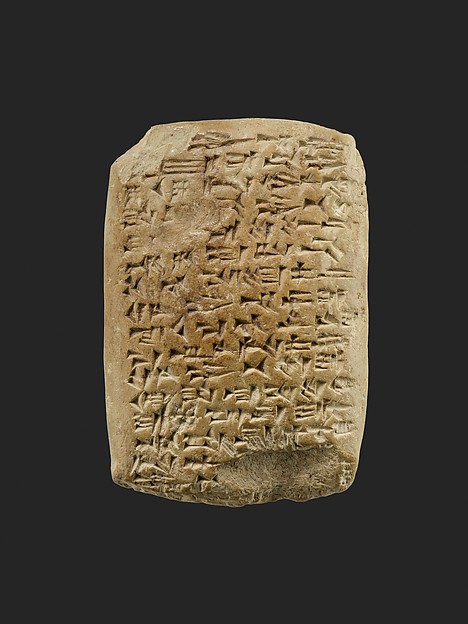
Cuneiform traditions
Wedge-shaped impressions developed from earlier accounting systems and served Sumerian, Akkadian, Hittite, and other languages. It is a writing system family, not a language.

Egyptian scripts
Hieroglyphic, hieratic, and later demotic scripts served different materials and settings. Monumental hieroglyphs combined language, image, architecture, and royal or ritual display; cursive scripts served papyrus and administrative work.
Ugaritic alphabetic cuneiform
Ugaritic scribes used wedge-shaped signs alphabetically. Its appearance resembles Mesopotamian cuneiform, but its sign system works differently.
Early alphabetic to Phoenician
Consonantal alphabetic traditions developed through several regional forms. Phoenician script became especially influential around the Mediterranean.
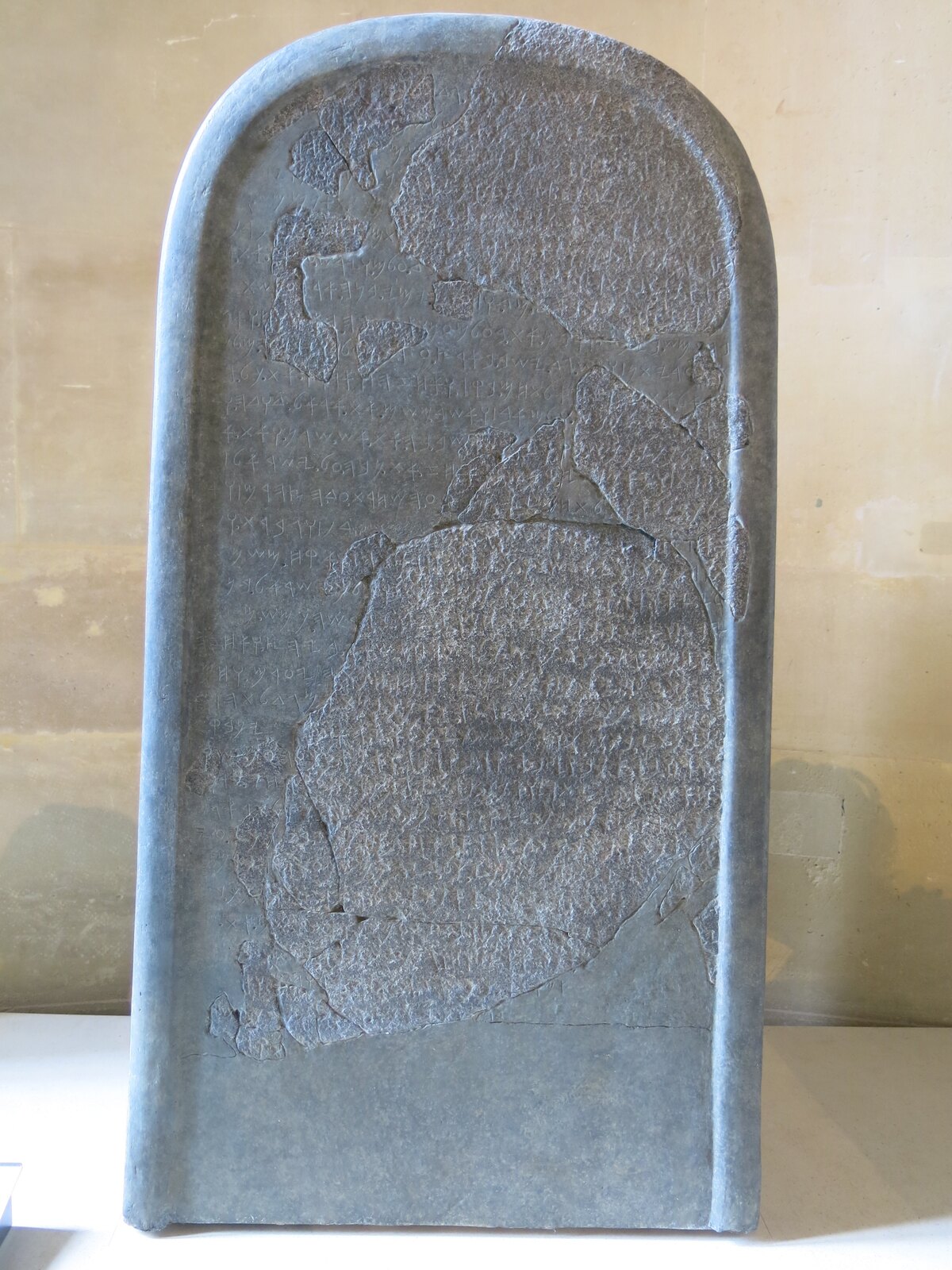
Paleo-Hebrew and neighboring scripts
Hebrew, Moabite, Ammonite, Edomite, and Phoenician inscriptions use closely related Northwest Semitic alphabetic traditions whose letter forms and languages must be distinguished.
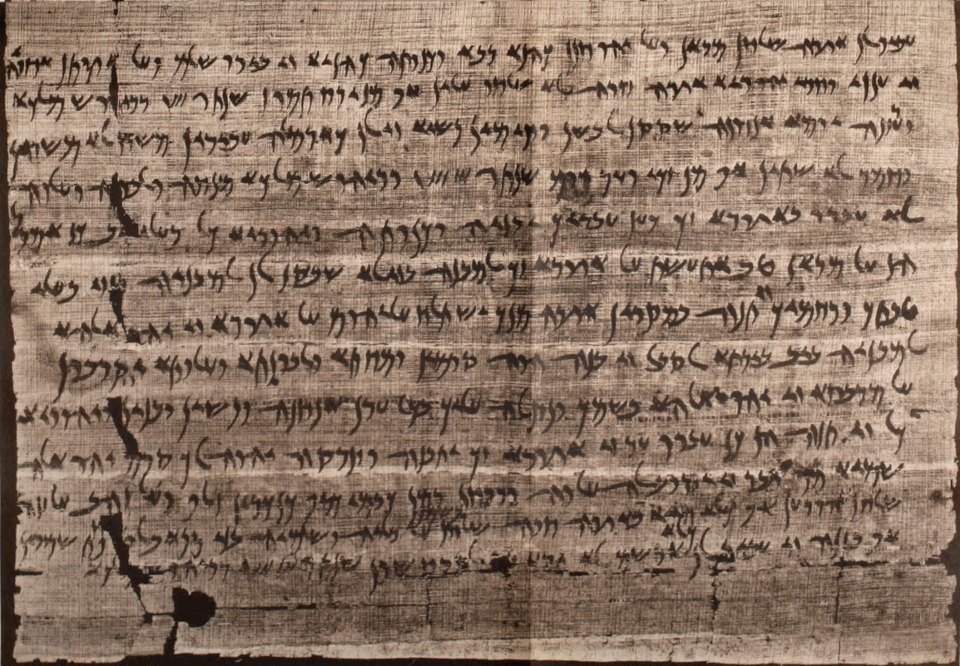
Imperial Aramaic and Jewish scripts
Aramaic served wide administrative and literary roles. The square script familiar from later Hebrew manuscripts developed from Aramaic script traditions.
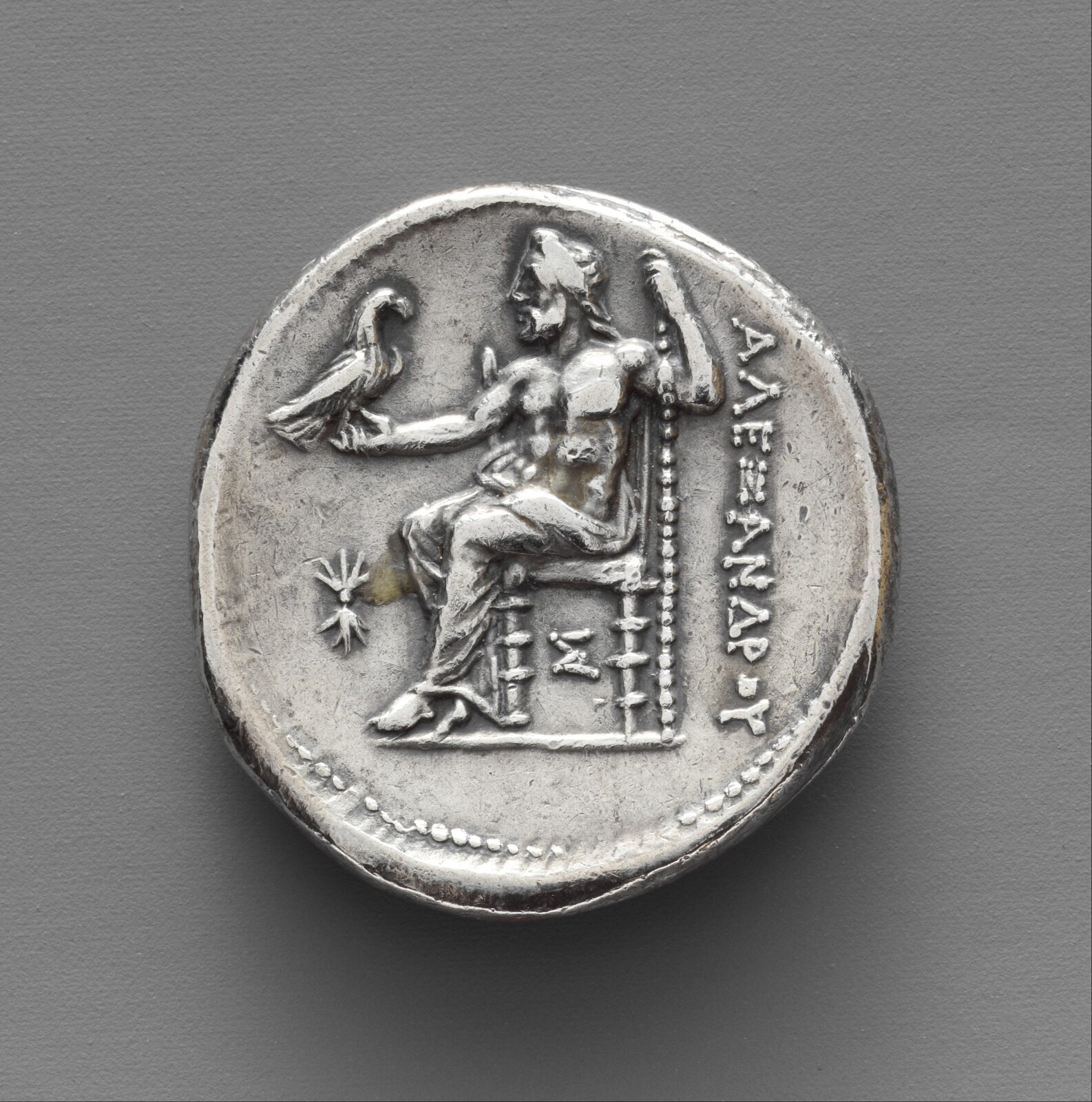
Greek and Latin
Greek became a major language of Jewish scripture, administration, and early Christianity; Latin grew in Roman government and western Christian transmission.

Jewish Hebrew book hands
Scrolls from the Judean Desert preserve Hebrew scripts, corrections, spacing, and layout centuries before the medieval codices.
Masoretic and scribal notation
Jewish scribes transmitted consonantal Hebrew with vowel points, accents, and Masoretic notes. Christian manuscripts developed their own scripts, formats, punctuation, and reading aids.
Where were these writing systems used?
Political rule, trade, diplomacy, migration, education, and religious communities carried scripts beyond the place where they first developed.
CUNEIFORM
Southern and northern Mesopotamia; Syria; Anatolia; diplomatic archives in Egypt and the Levant
Sumerian · Akkadian · Hittite · Hurrian · Ugaritic alphabetic cuneiform and othersEGYPTIAN SCRIPTS
Nile Valley and Egyptian-controlled or connected settings
Hieroglyphic for monumental and formal use · hieratic for cursive manuscript and administrative use · later demoticNORTHWEST SEMITIC ALPHABETS
Levantine coast, inland Canaan, Israel, Judah, and Transjordan
Phoenician · Paleo-Hebrew · Moabite and closely related regional formsARAMAIC-DERIVED SCRIPTS
From Aramean kingdoms through the Persian Empire and later Jewish scribal traditions
Imperial Aramaic · Jewish scripts that develop toward the familiar square Hebrew formGREEK ALPHABET
Aegean and Mediterranean worlds, then widely through Hellenistic and Roman eastern provinces
Greek inscriptions · papyri · Jewish Greek scripture · New Testament manuscriptsLATIN ALPHABET
Roman administration and especially the western Mediterranean and western church
Official inscriptions · documents · Old Latin and Vulgate manuscript traditionsHow would a scholar begin identifying an unknown text?
First describe the material and format. Then identify the sign system, compare letter or sign forms with dated examples, determine the language, and only afterward ask about genre, date, provenance, and textual relationships.
Why do translations differ?
A difference may come from vocabulary, grammar, idiom, a variant manuscript reading, or translation philosophy. Comparing the underlying textual notes is more useful than declaring one English version simply “best.”
Can you crack the Rosetta Stone?
Begin as decipherers did: observe the scripts, locate repeated patterns, test a limited key, and keep every conclusion proportional to the evidence.
Start using the language tools
Learn the alphabets and unpack the labels on a word-study page.