

The Bible Directory · Ancient Religious Worlds
YHWH: Names, Worship and Ancient Sources
Meet YHWH
YHWH stood at the center of Israelite and Judahite worship. Biblical writings connect this divine name with creation, covenant, rescue and judgment; inscriptions bring the name into the world of blessings, households and political communities.
Who is YHWH?
YHWH is the personal divine name central to Israelite and Judahite religion. The Hebrew Bible identifies YHWH as Israel’s God and, in many passages, as God of the whole world.
What is YHWH known for?
The biblical portraits range from the warrior of Exodus 15 to the shepherd of Psalm 23. Creation, justice, protection and blessing extend beyond a single activity or territory.
Why is YHWH worshiped?
People sought rescue, blessing and protection. Deuteronomy also presents worship as covenant loyalty; prayers and psalms give voice to gratitude, distress and appeals for justice.
How did people relate to YHWH?
Biblical prayers express love, trust, awe, fear and protest. These different voices resist a simple choice between a purely comforting or purely frightening relationship.
What did worship involve?
Biblical texts describe prayer, offerings, sacrifices and festivals. They also argue about acceptable worship sites and practices. A prescription and what a household actually did are different historical questions.
What survives from the ancient world?
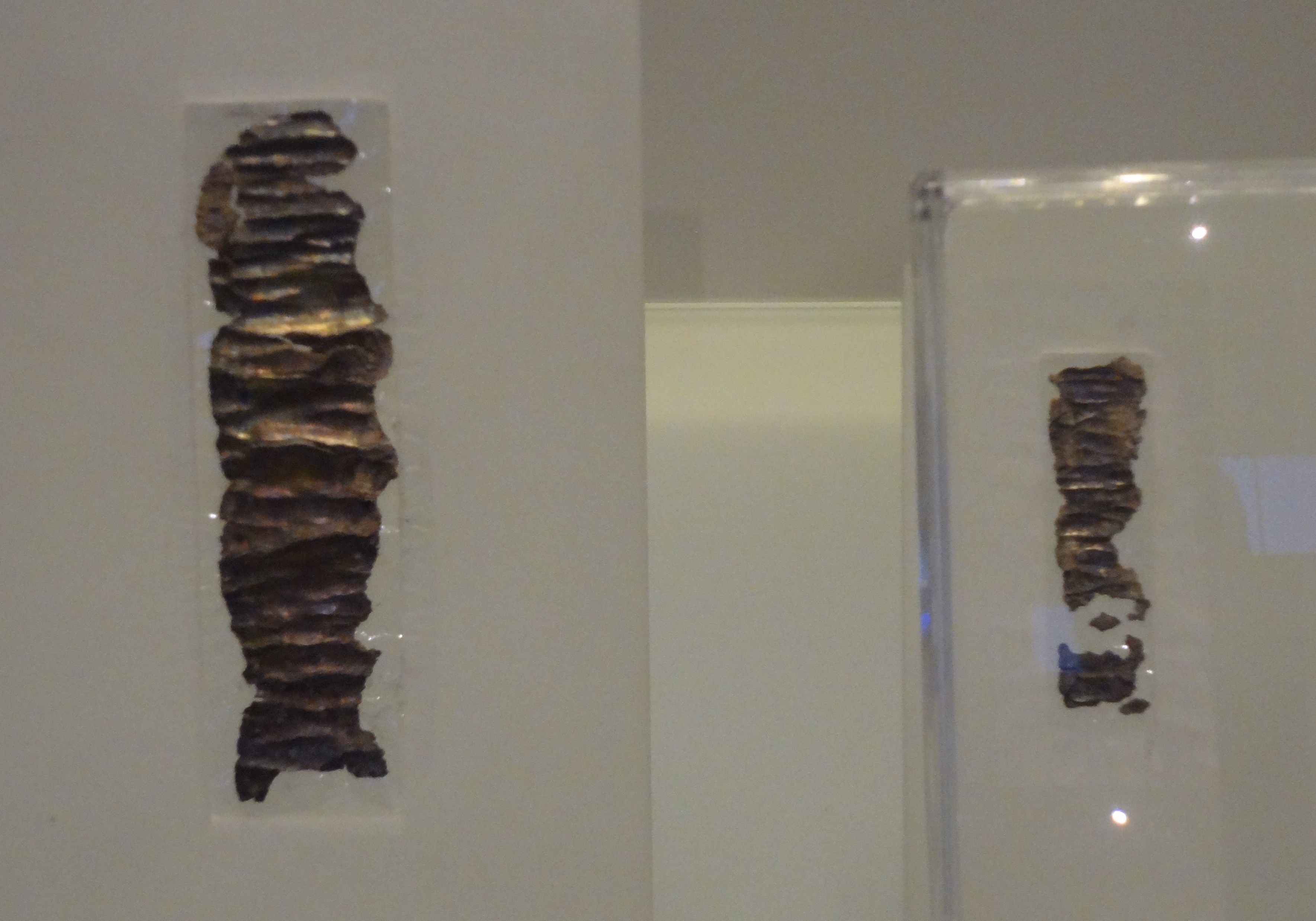
Biblical manuscripts, personal names, inscriptions and archaeological settings. The silver amulets pictured here preserve blessing language; they are not images of YHWH.
Explore the sources
Explore the objects, writings and questions below.

A name, not simply a word for “god”
The four Hebrew consonants יהוה are commonly represented as YHWH. “Yahweh” is a scholarly reconstruction of pronunciation. Many Jewish reading traditions substitute Adonai or another reverential expression; many English Bibles use small-capital LORD. The Directory’s title uses YHWH to keep the written name visible.
Read Exodus 3:13–15 beside Exodus 6:2–3. The passages discuss divine naming in different narrative settings. Neither is a modern dictionary entry that settles every historical question about the name’s origin.
El, titles and the divine council
At Ugarit, El is a senior named deity. Hebrew el can also mean “god” and can refer to YHWH. A biblical occurrence therefore does not automatically introduce a separate deity named El. Scholars investigate the relationship between older El traditions and portrayals of YHWH; the sequence of that development remains debated.
Psalm 82 depicts a divine assembly; 1 Kings 22:19–23 presents a heavenly court. “Divine council” names a kind of heavenly gathering in these texts, not one individual god. Compare each passage’s vocabulary, participants and narrative role before constructing a family tree.
Blessing written on silver
The Ketef Hinnom amulets from Jerusalem preserve the divine name and wording closely related to Numbers 6:24–26. A major 2004 reassessment by Barkay, Lundberg, Vaughn and Zuckerman supports a late preexilic setting and their protective use.
These tiny inscriptions show blessing language in a material setting. They do not date every part of Numbers or reveal every belief of the people who used them. Compare the objects with the biblical blessing rather than treating them as a surviving manuscript of the whole book.
Worship and historical change
The biblical writings themselves preserve disagreements over shrines, images and worship. Inscriptions from Kuntillet ‘Ajrud and Khirbet el-Qom add local invocations of blessing involving YHWH and asherah. Hadley’s linked essay explains the arguments about what those expressions refer to.
Compare Deuteronomy 16:21–22 and 2 Kings 23:4–7 with the inscriptions. The biblical passages describe prohibitions and reforms; the inscriptions preserve appeals for blessing. They offer different perspectives on ancient practice.
Research Paths
Bob Becking · YHWH, WiBiLex ↗
German scholarly reference on the name, inscriptions and changing historical questions.
Ingo Kottsieper · El, WiBiLex ↗
German scholarly discussion of El as a divine name, the word “god” and its biblical uses.
Judith M. Hadley · Study of Asherah ↗
Open scholarly essay on inscriptions and disputed relationships between deity, symbol and worship.
Read the related chapters
Keep exploring
Explore Israel, Judah & Jerusalem →
Temples, ritual and sacred objects →