

The Bible Directory · Ancient Religious Worlds
Zeus: Divine Kingship, Sanctuaries and Ancient Sources
Meet Zeus
Zeus’s authority reached beyond the thunderbolt. Greek poetry places him at the head of the gods; worship brought that authority into the lives of cities, families and people seeking divine favor.
Who was Zeus?
Zeus was a leading Greek deity associated with the sky and divine kingship. Local titles and sanctuaries shaped how particular communities approached him.
What was he known for?
Sky, thunder and authority among the gods. Hymn 23 also presents him beside Themis, linking his rule with divine counsel.
Why was he worshiped?
Worshippers sought favor from a powerful divine ruler. A local dedication or prayer can tell us more about a particular request than a broad list of divine “powers.”
How did people relate to him?
The short Homeric Hymn 23 praises his power and asks him to be gracious. Reverence for authority and hope for help appear together.
What did worship involve?
Prayer, sacrifices, offerings and festivals formed part of Greek worship. The place and occasion matter; no single ceremony describes every sanctuary of Zeus.
What survives from the ancient world?
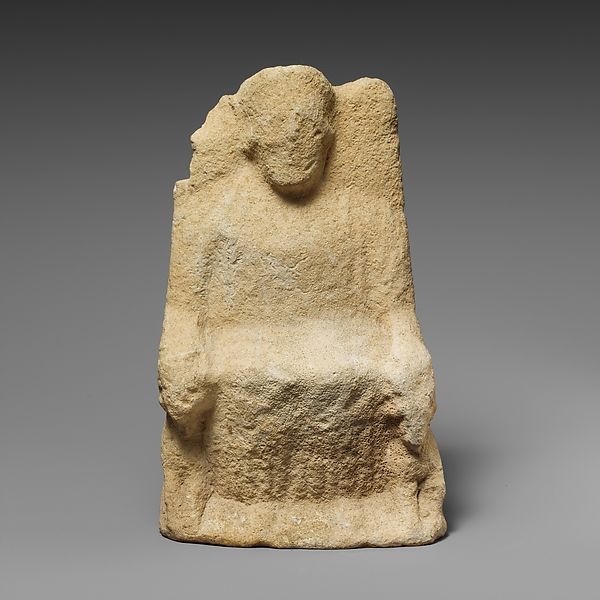
Hymns, epics, dedications, sanctuary remains and images. The museum identifies this page’s statue specifically as Zeus Ammon, a particular form rather than every Greek portrait of Zeus.
Explore the sources
Explore the objects, writings and questions below.
Read an ancient appeal
Homeric Hymn 23 is short enough to read in full. It presents Zeus’s supremacy, describes his association with Themis and closes by asking for favor. Notice the movement from describing a deity to addressing him.
A hymn records a literary act of praise. Its words can illuminate a relationship with a god without providing a complete account of every worshipper’s experience.
A particular Zeus from Cyprus
The photograph shows the Met’s limestone statuette of Zeus Ammon, dated to the fourth century BCE. It depicts a figure seated on a high-backed throne. The museum’s identification should remain attached to the object: this is a named form of Zeus in a Cypriot setting.
Comparing objects across places requires more than finding a beard or a throne. Titles, inscriptions, attributes and archaeological context carry different kinds of information.
Zeus in Acts—and Jupiter in the KJV
Acts 14:11–18 names Zeus and Hermes in Greek in its account of Barnabas and Paul at Lystra. The KJV uses Jupiter and Mercurius, corresponding Latin names. Those translation choices can hide the Greek names from a reader searching this directory.
Acts 17:22–31 offers another literary setting, Paul’s speech at Athens. Read these accounts as early Christian portrayals of encounters with other religious traditions, alongside material from Greek worshippers themselves. Zeus and Roman Jupiter should not simply be treated as one unchanged cult everywhere.
Research Paths
Homeric Hymn 23 to Zeus · English primary text ↗
Perseus / Tufts · Hugh G. Evelyn-White’s 1914 translation.
The Met · Limestone statuette of Zeus Ammon ↗
Museum record · Cyprus, fourth century BCE; compare this specific form with broader Greek traditions.
Colette and Seán Hemingway · Greek Gods and Religious Practices ↗
Museum essay · sanctuaries, offerings and the variety of Greek religious practice.
Read the related chapters
Keep exploring
Temples, ritual and sacred objects →