
Phoenicia, Aram, and Philistia
Compare neighboring coastal and inland cultures without treating them as one people or one period.
MEMBER RESEARCH EDITIONSee the additional member research ↓
See the surviving material world
These are authentic artifacts, manuscripts, or sites. Captions identify when an object is comparative or belongs to only one part of the page’s chronology.

Baal with Thunderbolt stele from Ugarit
A real Late Bronze Age object from Ugarit. It illuminates one northern Levantine setting rather than every later use of the title Baal.
Louvre AO 15775 · public-domain photograph by JastrowOpen the object or site record ↗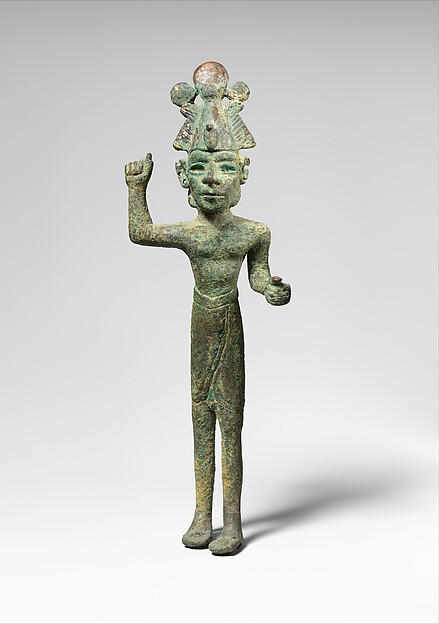
Canaanite bronze figure
A fifteenth–fourteenth-century BCE figure wearing an Egyptian-style crown shows how local and international visual worlds could intersect.
The Metropolitan Museum of Art 1986.42 · public domain / CC0Open the object or site record ↗Follow the changing landscape
Each map shows a particular period or geographic setting. Read its date and caption alongside the timeline.
Tyre and Mediterranean connections
A focused geographic view of a Phoenician port and its maritime network.
Map: The Bible Directory · Custom geographic orientation mapAram-Damascus, Israel, and Judah
A dated view of the regional powers involved in the Syro-Ephraimite crisis.
Map: The Bible Directory · Custom geographic orientation mapPhoenicia, Aram, and Philistia should not be blended into a generic “Canaanite” backdrop.
Phoenician coastal city-states developed maritime networks; Aramean kingdoms such as Damascus shaped inland politics and Aramaic language history; Philistine cities formed a changing southern coastal world with distinctive early material connections and later Levantine development.